
Thermal Energy Storage for Data Centers: Efficient, Resilient Cooling
Data centers require continuous, uninterrupted cooling to protect critical infrastructure. In high-density, high-cost energy markets like New York City and New Jersey, maintaining reliability while managing peak electrical demand and sustainability goals is an increasing challenge.
Thermal Energy Storage (TES) provides a proven way to improve cooling efficiency while adding meaningful system resilience—without overbuilding mechanical or electrical infrastructure.

In addition, Taco specifically provides a CFD (Computational Fluid Dynamics) analysis for Thermal Energy Storage, a significant differentiator, as it allows engineers to virtually simulate and optimize water flow and temperature layering within the tank to ensure maximum efficiency before a single pipe is even connected.
How Thermal Energy Storage Supports Data Center Cooling
Thermal energy storage systems use chilled water stored in stratified tanks to separate cooling production from cooling demand. Chillers operate during off-peak hours or low-load periods to charge the tank. When demand increases—or when mechanical capacity is constrained—stored thermal energy is released to support the cooling load.
This approach reduces peak electrical demand, stabilizes system operation, and creates a valuable buffer for mission-critical environments.
Built-In Thermal Redundancy for Mission-Critical Operations
For data centers, redundancy is not optional. Thermal energy storage adds an additional layer of protection beyond traditional N+1 or 2N mechanical design.
In the event of:
- A chiller outage
- Electrical disruption
- Utility curtailment or demand response event
Stored thermal energy can continue to provide cooling for a defined period without immediate chiller operation. This thermal ride-through capability helps maintain temperature stability while backup systems engage or corrective actions are taken.
Unlike mechanical redundancy alone, thermal storage provides time—often the most critical factor during system upsets.
Key Benefits of Thermal Energy Storage in Data Centers
- Peak demand reduction and lower utility demand charges
- Improved system reliability through added thermal buffering
- Reduced stress on chillers by minimizing cycling and peak loading
- Extended equipment life and lower maintenance requirements
- Support for decarbonization goals by enabling off-peak and lower-carbon energy use
In space-constrained urban facilities, TES can also help defer costly electrical upgrades while maintaining cooling capacity.
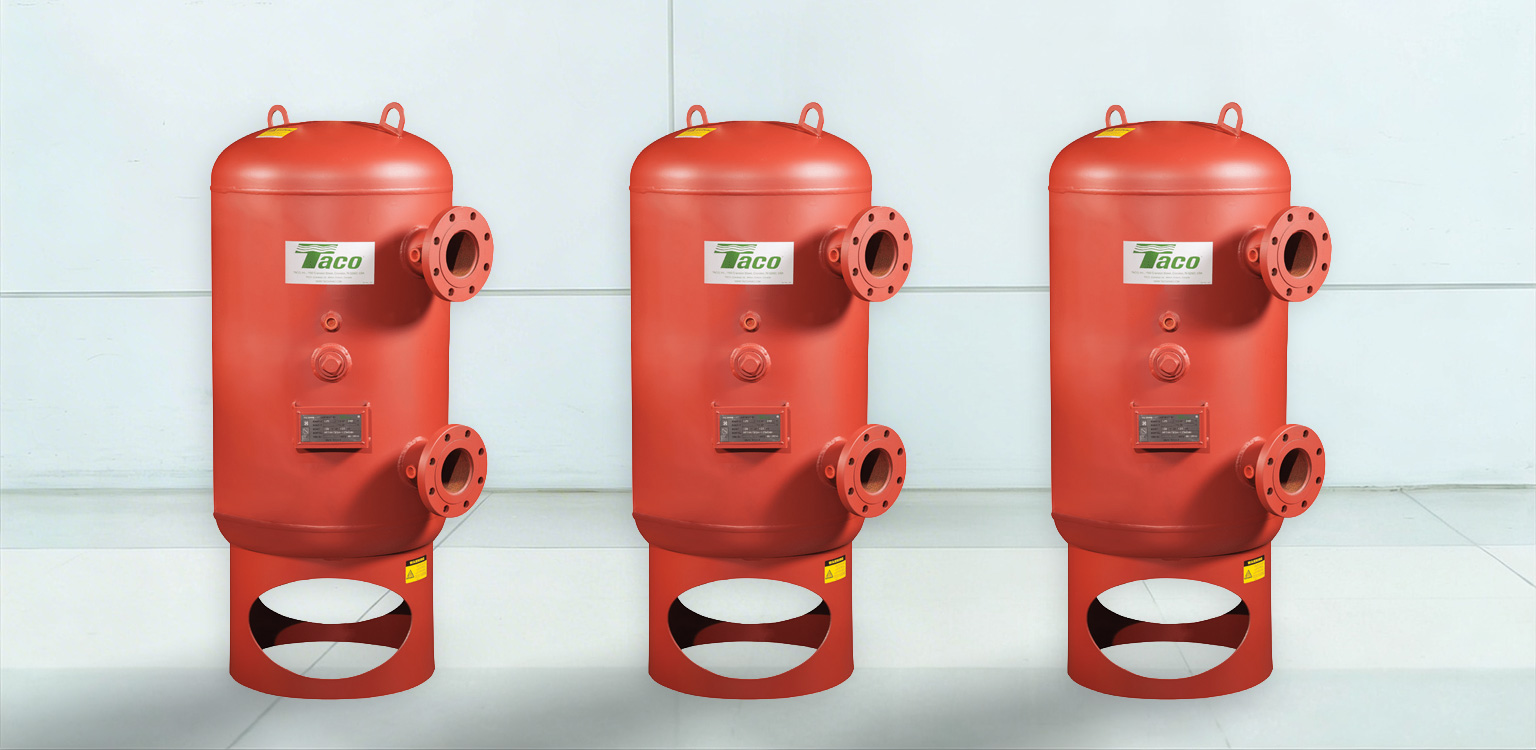
Why Stratified Thermal Energy Storage Tanks Matter
Taco’s stratified thermal energy storage tanks are engineered to maintain clear temperature separation within a single vessel. This design maximizes usable storage capacity, improves efficiency, and delivers predictable performance—essential for data center environments where tight temperature control is required.
Stratified tanks integrate seamlessly with chilled water systems and are well suited for both new construction and retrofit applications.
A Smarter, More Resilient Cooling Strategy
Thermal energy storage gives data center operators greater control over energy use, operating costs, and system reliability. By combining efficiency improvements with true thermal redundancy, TES strengthens cooling infrastructure and supports long-term operational resilience—especially in demanding markets like NYC and New Jersey.
Get in touch! Reach out to us at engineering@walesdarby.com